How to Clean Out Children’s Spaces with More Care and Less Pressure
Disclaimer: As an Associate I earn from qualifying purchases at no extra cost to you. See more here.
Children’s things have a way of spreading beyond the room they started in. What once fit neatly into a nursery drawer or a single toy basket can slowly move into bathroom cabinets, kitchen cupboards, hallway closets, basement shelves, and bins marked for later. Some of that clutter is easy to see. Some of it lives out of sight, but still manages to take up space in the mind.
That is often what makes clearing out children’s areas feel heavier than a standard clean-up. It is rarely just about the volume of things. These spaces tend to hold growth, routine, memory, gift-giving, old phases of daily life, and a long list of decisions that never felt urgent enough to finish in the moment. A room can look mostly fine and still feel mentally unfinished.
A more useful place to begin is not with the idea of resetting everything at once. Most households already know which area is asking for attention first. It may be the toy shelf that never seems to settle, the closet filled with outgrown clothes, the bathroom cabinet still holding baby items, or the attic boxes that have not been opened in years but keep quietly following you from one season to the next.
This kind of clean-out is less about creating a perfect room and more about reducing pressure. The goal is to notice what feels heaviest, start there, and move through it with a little more clarity. When that process is handled thoughtfully, the result is not just a cleaner space. It is a home that feels lighter, more current, and easier to care for.
A simple way to approach it
If the process feels bigger than it needs to, it can help to move through children’s spaces in a clear order rather than trying to solve everything at once. The goal is not to finish every room in one sweep. It is to move one area forward in a way that feels lighter, more defined, and easier to maintain afterward.
A simple order to follow looks like this:
choose one zone that feels most active in your mind right now
sort everything in that space into clear categories
remove what is leaving
clean the space fully
put back only what still belongs there now
label anything that needs to be stored, revisited, or moved elsewhere
That may be a toy shelf, a dresser drawer, a bathroom cabinet, a closet, or one box in the garage. The size of the area matters less than the clarity of the decision. A smaller space that gets finished fully often does more to reduce pressure than a larger project that stays half-done.
If it helps, the categories can stay very simple:
keep
donate
pass along
recycle
revisit later
Once the space is sorted, try to move the outgoing items along as quickly as possible. A donation bag that stays in the corner for another two weeks usually keeps the decision mentally open. The same is often true of unlabeled boxes. The more clearly things are finished, the more relief the process tends to create.
That is also why the cleaning step matters. Wiping down shelves, drawers, mirrors, and surfaces after sorting helps the space register as reset rather than merely rearranged. By the time things go back in, the room tends to feel lighter in a way that is easier to trust.
Why children’s spaces become mentally heavy
What makes children’s spaces feel especially heavy is that they rarely hold objects alone. They tend to hold stages. What gathers in these rooms is often tied to growth, routine, memory, generosity, and change, which is part of why sorting through them can feel more charged than the task itself might suggest.
Some of that weight is visual. A room can feel crowded, busy, or overdue for attention. But much of the pressure comes from what is unfinished. Items that still need to be donated, passed along, stored properly, labeled, or revisited later have a way of staying mentally active, even when they are no longer out in the open.
That is often what makes this kind of clutter more draining than ordinary mess. It is not only what the eye is taking in. It is what the mind knows is still waiting. These spaces tend to carry a quiet backlog of decisions, and that backlog can make the entire home feel less settled than it really is.
Seen that way, the goal is not to be unsentimental about the past. It is simply to let the home reflect the life that is being lived now a little more clearly. When children’s spaces begin to feel lighter, it is often because fewer things are carrying unfinished decisions, and more of the home is supporting the present.
Start with the area that is asking for attention loudest
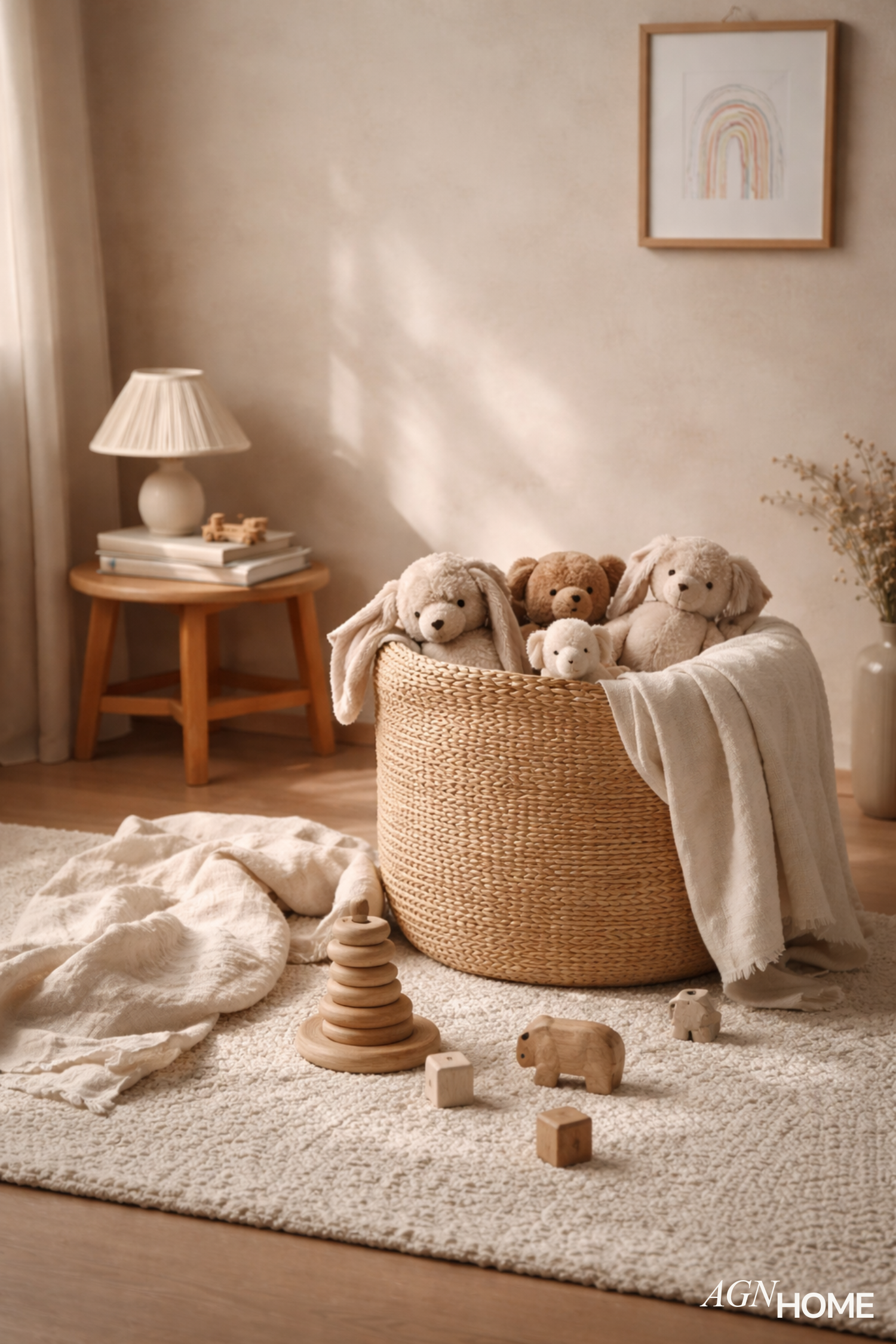
A more useful place to begin is not with the biggest project, but with the area that is asking for attention loudest. In most homes, there is usually one zone that already feels more irritating, more crowded, or more mentally unfinished than the rest. That is often the right place to start.
Sometimes that area is easy to spot because it creates visual chaos, like a toy shelf that never seems to settle. Sometimes it shows up as daily friction, like a closet full of outgrown clothes or a messy bathroom drawer that no longer matches what is actually being used. And sometimes it lives further out of view, in an attic, basement, or garage, where it is less visible but still takes up space in your mind.
The point is not to tackle everything at once. It is to choose the category or space that feels most active in your mind and let that become the starting point. A quick brain dump can help here. Write down every area that feels overdue, then mark each one by priority. Even a simple low, medium, or high system can make the next step easier to see.
It also helps to remember that progress in these spaces is often built through smaller wins, not one complete reset. A cleared drawer, a labeled bin, or one donation bag moved out of the house can be enough to reduce the pressure and make the next decision feel easier.
A helpful question to ask is: what is bothering you most?
If it is visual chaos, start with open shelves, floor-level toys, or crowded surfaces.
If it is daily friction, start with clothes, drawers, or frequently used items that no longer function well.
If it is mental clutter, start with stored bins, deferred donations, or anything that has followed the household from one season to the next.
If it is emotional overload, start with the easiest category, not the most meaningful one.
This kind of clarity matters because the best starting point is not always the most important category in theory. It is usually the one that will help you feel more settled with the least resistance. Once that first area is chosen, the process becomes much easier to trust.
A simple way to decide what kind of edit this area needs
Once you have chosen the area that feels most pressing, the next step is to decide what kind of edit it actually needs. Not every crowded space is asking for the same kind of attention. Some areas need a quick reset. Some need a real donation pass. Some need better storage. And some are carrying enough emotional weight that they are better handled on a different day.
That distinction matters because it keeps you from using the same energy for every space. A messy drawer does not require the same approach as a bin of sentimental baby items. A toy shelf that has become visually chaotic may only need to be simplified and wiped down, while a closet full of outgrown clothes may be asking for a more definite decision.
A simple way to think about it is this:
A quick reset is for things that are still useful, still used, and simply need to be put back into order.
A donation pass is for things that are in good condition but no longer fit, no longer serve, or are no longer being reached for.
Deeper sorting is for mixed categories, overflow areas, or bins that have become a holding place for several unfinished decisions at once.
Storage boundaries are for things worth keeping that still do not have a clear or lasting place to live.
An emotional decision day is for anything that feels too loaded to handle well in the middle of a general clean-out.
This can also be where labeling starts to matter. Once categories become clear, the process gets easier to maintain. A box or bag that is clearly labeled saves time now, but it also saves energy later. Especially in homes that have gone through moves or major transitions, knowing exactly what is in each bin can make a surprising difference. It keeps things from turning back into a vague pile of future decisions.
And once a space has been edited, it helps to finish it fully. Wipe the mirrors. Clean the windows. Disinfect hard surfaces. Dust the shelves, baseboards, and drawer interiors. A room tends to feel more genuinely reset when it has been cleaned all the way through, not just rearranged. That final step is often what shifts the space from still in progress to noticeably lighter.
How to involve children with care, not pressure
How much children are involved in this process can depend on their age, their temperament, and the kind of space being cleared. In some households, they may be eager to help. In others, even a small clean-out can bring resistance. Either response is normal. The goal is not to force a perfect lesson out of the moment, but to make room for some participation where it feels possible.
It can help to frame the process around choice rather than pressure. Instead of asking a child to get rid of things in the abstract, it is often easier to focus on what still feels important, what no longer fits their life, and what could be enjoyed by someone else now. That shift can make the process feel less like loss and more like movement.
A few simple approaches can make that easier:
start by asking them to choose favorites first
create a gentle rhythm of keep, share, and revisit
invite them to pick a few things that another child might enjoy
give older children a specific zone or category to handle on their own
When it goes well, bringing children into the process can add a sense of ownership and generosity. In some cases, it may even feel meaningful to let them come along for a donation drop-off, so the act of passing something on feels more concrete and less abstract.
At the same time, not every child will want to participate, and not every category needs to become a shared project. Sometimes the better choice is simply to involve them where it makes sense and move forward quietly where it does not. The process still counts. The point is not to turn the clean-out into a lesson that has to land perfectly. It is to approach the space with care and make the transition feel a little lighter for everyone involved.
Where things go next
Once things have been sorted, the next step is giving them a clear destination. This is often what determines whether a clean-out actually feels finished. Without that final step, items tend to linger in bags, piles, or half-sorted boxes, and the mental weight of the space never fully leaves with them.
A simple set of categories can help keep that part clear:
donate
pass along
keep for now
recycle responsibly
revisit later
What matters here is being honest about condition. Not everything needs to be kept, but not everything is ready to be donated either. Items that are still in good shape can move on usefully, whether that means a local organization, a community group, or another household that can genuinely use them. Things that are worn out, incomplete, or no longer functional usually need a different exit.
This is also where labeling becomes especially important. Once things are sorted, it helps to bag or box them by category and mark them clearly before they leave the room. That can be as simple as donation, hand-me-downs, keepsakes, or bathroom items to replace. It sounds small, but it saves a surprising amount of time and confusion later. After enough moves, transitions, or seasonal resets, a clearly labeled box can feel less like storage and more like relief.
For households that plan to donate, it can also help to keep basic documentation. In some cases, donated items may be tax-deductible when they are given to a qualified organization and properly documented. A receipt is worth keeping, and it is best to check current IRS guidance or a tax professional before assuming anything will count that way.
The final goal is not simply to get things out of the room. It is to move them on thoughtfully, so the space feels fully resolved once they are gone. That is often what allows the clean-out to register not just as productive, but as genuinely calming.
Where to look locally for places to donate or pass things along
If you are not sure where items can go, it often helps to start with the most flexible options first. In many areas, that may include:
dial 211 for local community resource referrals
neighborhood gifting groups, including Buy Nothing
Goodwill donation centers
The Salvation Army drop-off locations
local organizations that publish current wish lists such as:
women’s and domestic violence shelters
family shelters and transitional housing programs
foster care support organizations and foster closets
crisis nurseries, children’s resource centers, and family support organizations
school, church, and community donation drives
resale or consignment options for higher-value items
If you want to look beyond the nearest drop-off site, online directories can also help. Charity Navigator is useful for researching charities by name or cause, and Candid’s GuideStar search can help verify nonprofit status and look up organizations more broadly.
Before dropping anything off, it helps to check what an organization is currently accepting and what condition items need to be in. That small step tends to save time and makes it easier to move things along thoughtfully.
A lighter home often starts smaller than expected
Clearing out children’s spaces rarely begins with one perfect day or one complete reset. More often, it starts with noticing what feels heaviest, choosing one area to address, and letting that be enough for now. A toy shelf, a bathroom drawer, a closet, a bin in the garage, and any one of them can be a meaningful place to begin.
What makes the process worthwhile is not just the amount that leaves the house. It is the reduction in pressure that comes with moving a few lingering decisions forward. A room can feel calmer when it reflects the life being lived now a little more clearly, and that shift does not always require sweeping change. Sometimes it comes from a labeled box, a cleared surface, a bag that finally makes it to donation, or one small area that no longer feels unresolved.
Handled thoughtfully, this kind of clean-out can do more than create order. It can make the home feel easier to care for, easier to move through, and a little more settled for everyone living in it.
Shop
A thoughtful clean-out usually works best with a few practical pieces in place. These are the storage, labeling, and cleaning essentials that can make the process feel easier now and help the space stay clearer over time.
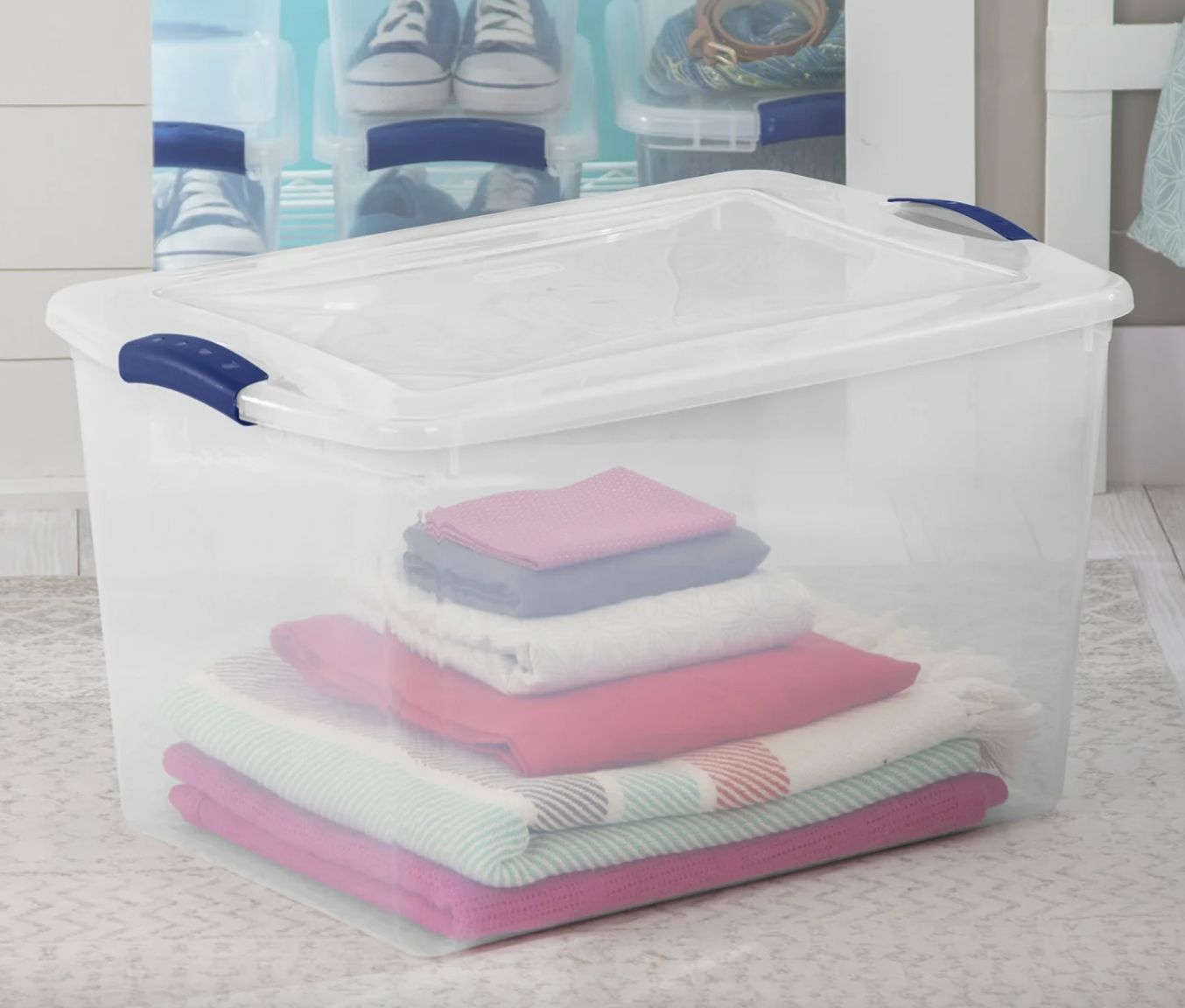
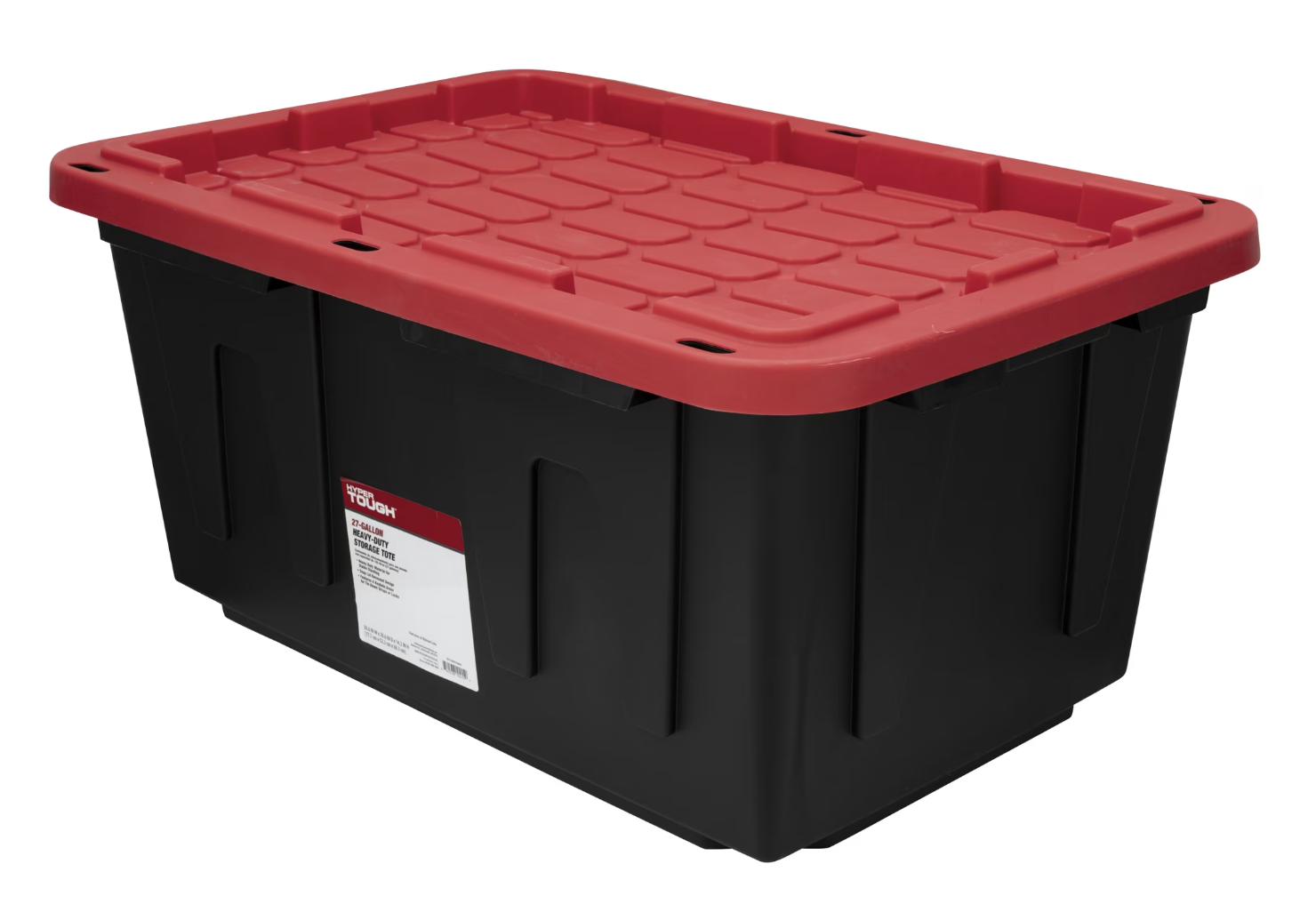
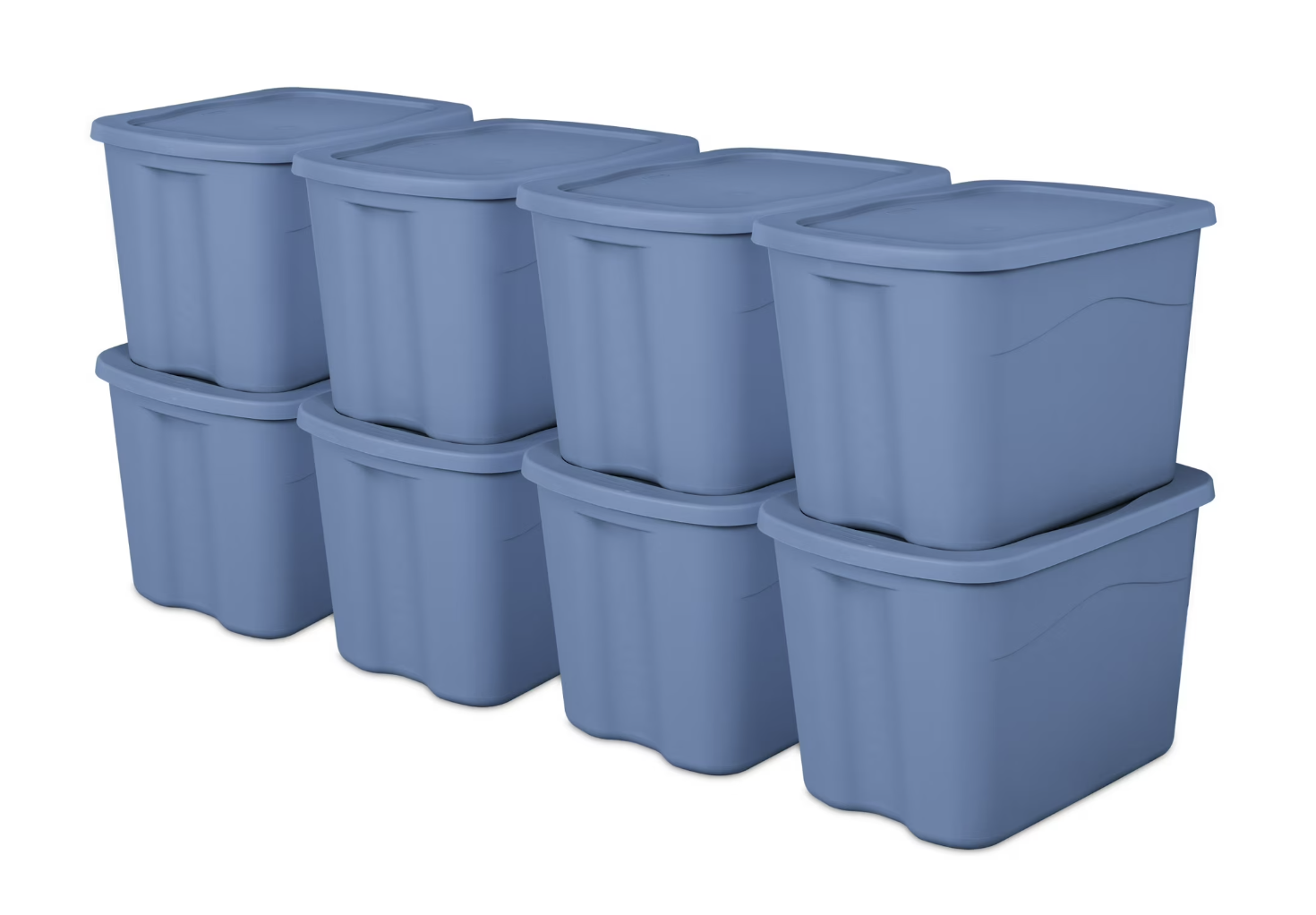
Large storage bins
For durable catch-all storage, closet overflow, keepsakes, and items that need a long-term home.
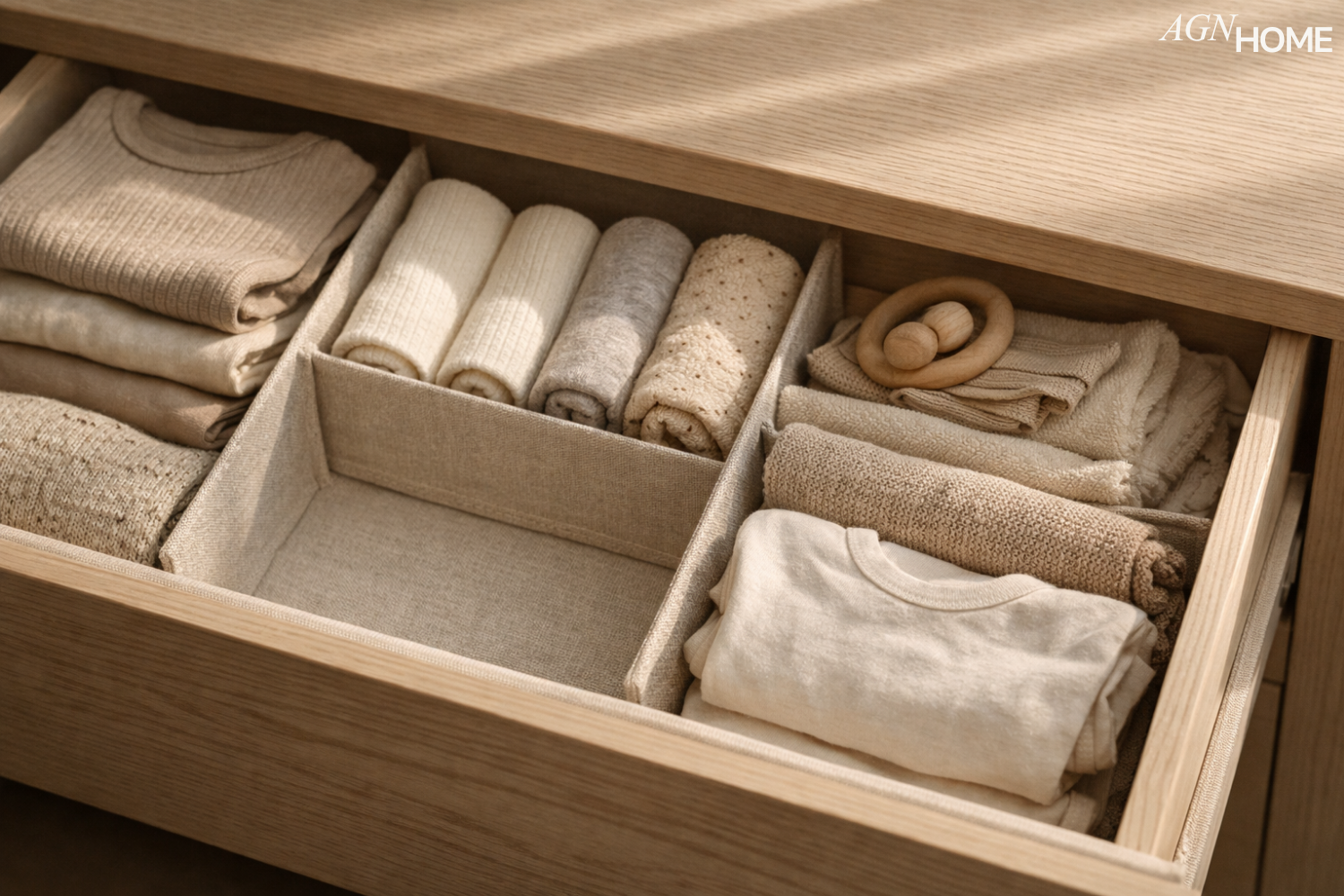
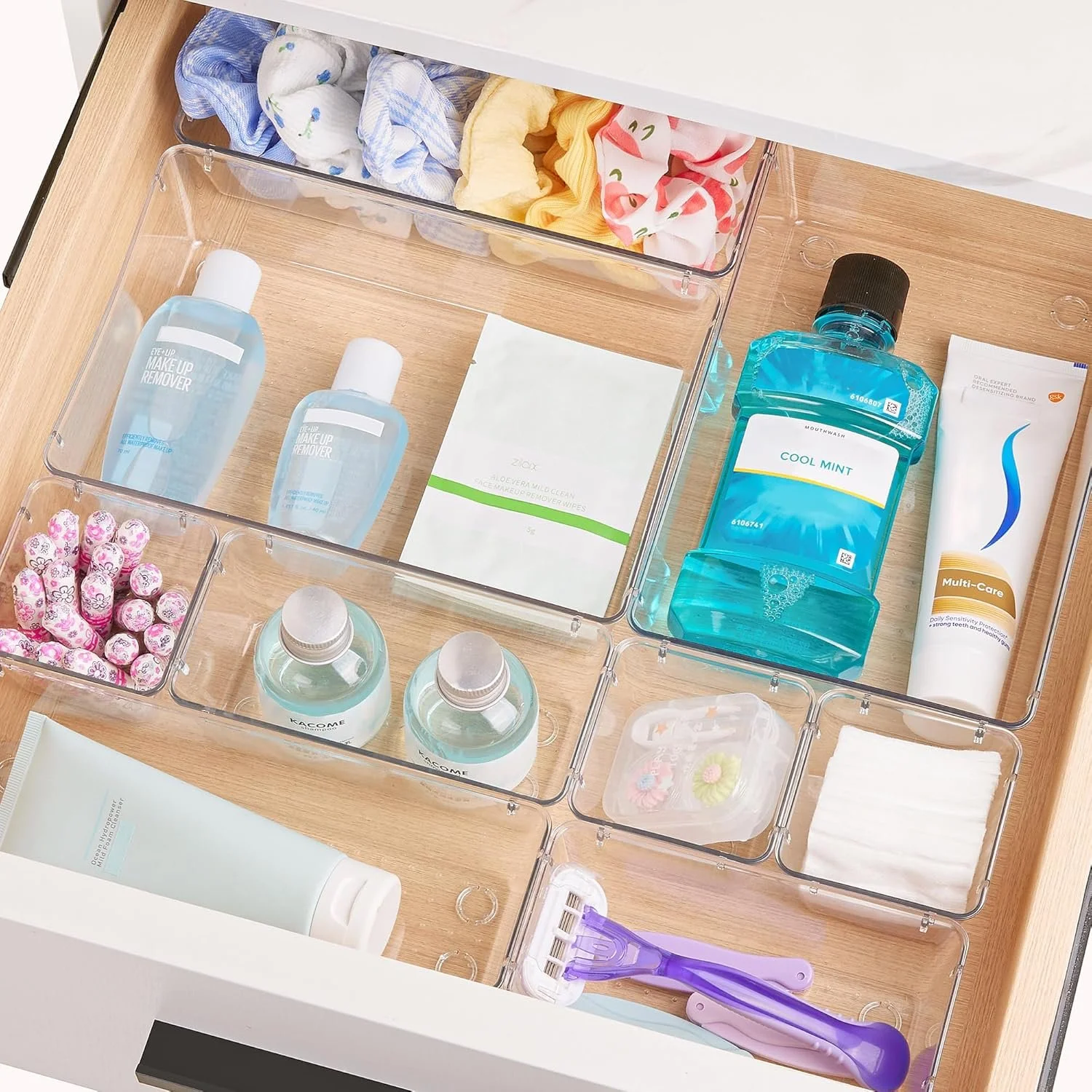
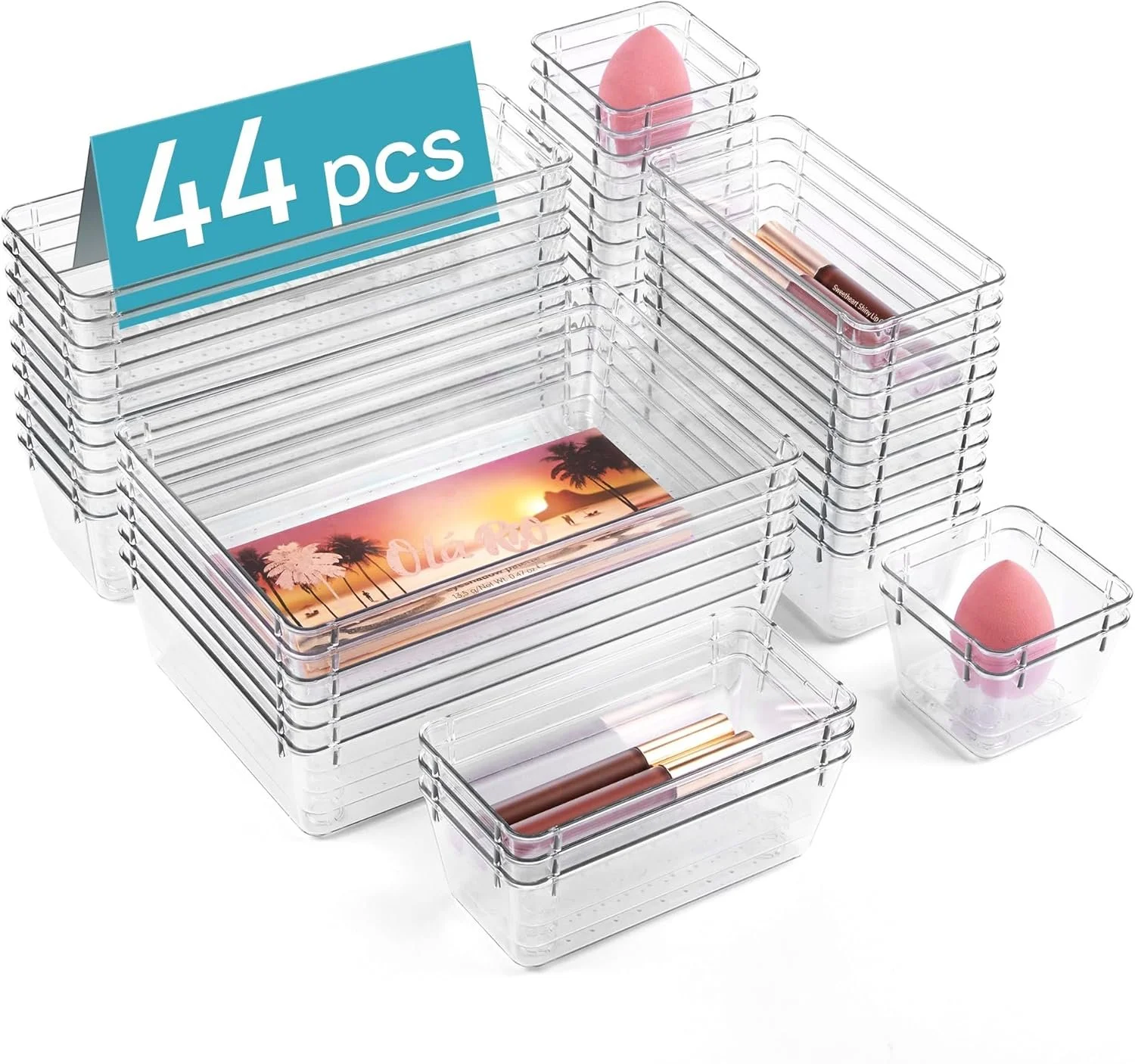
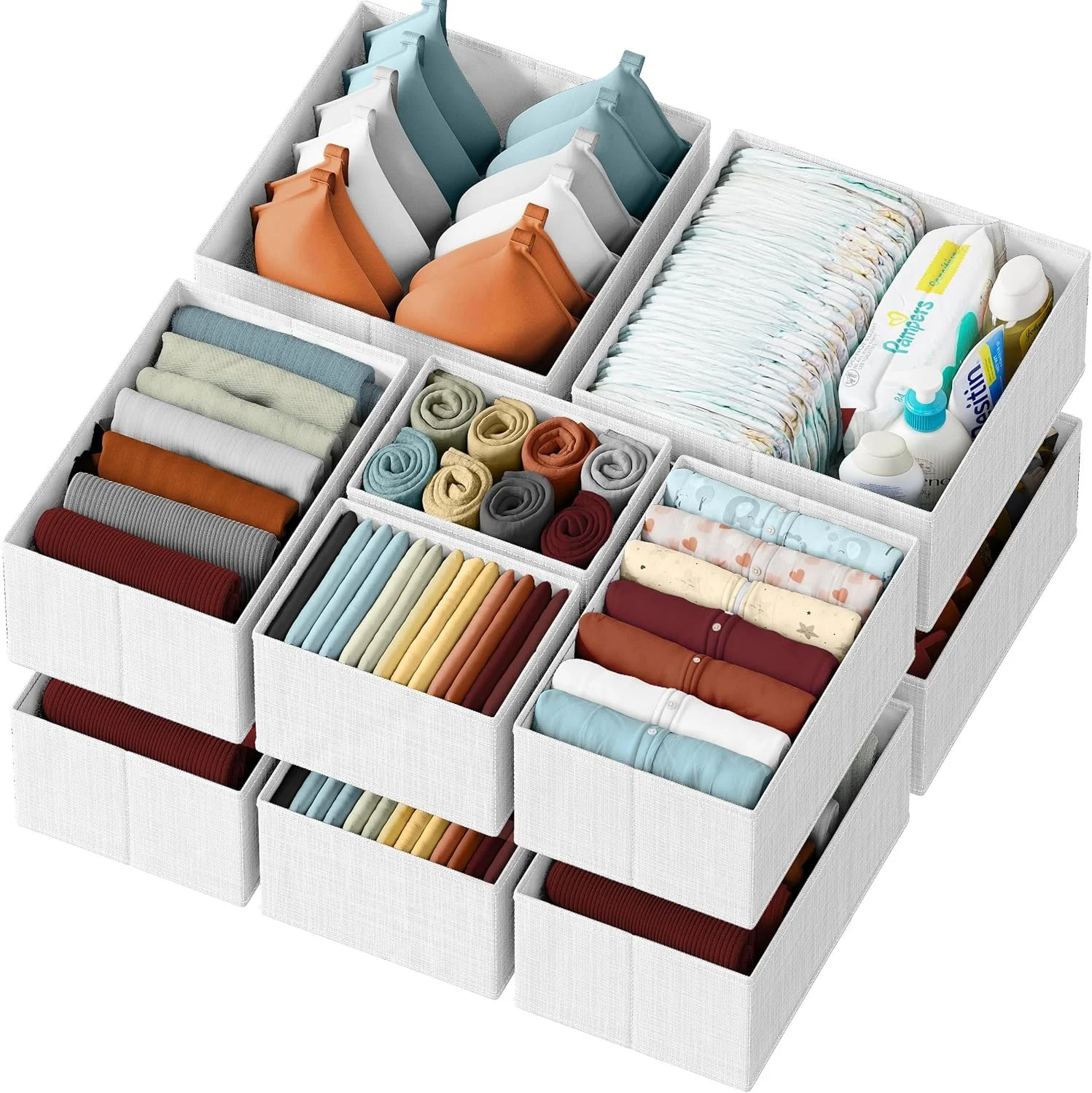
Drawer and shelf organizers
For dressers, bathroom drawers, under-sink zones, and smaller categories that get messy quickly.
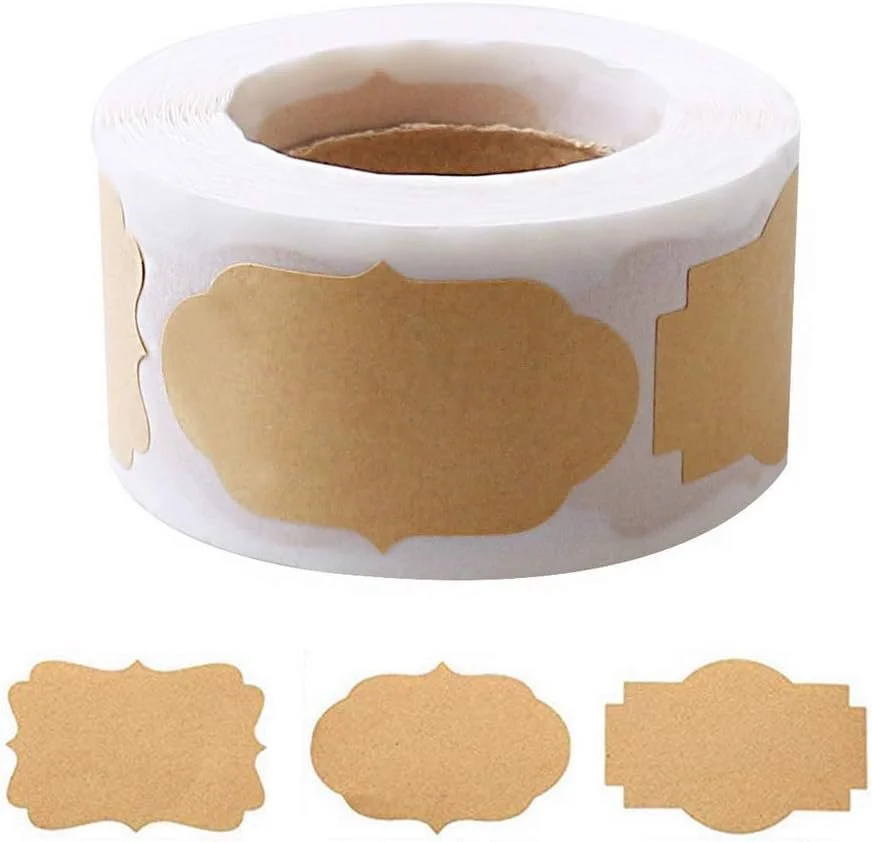
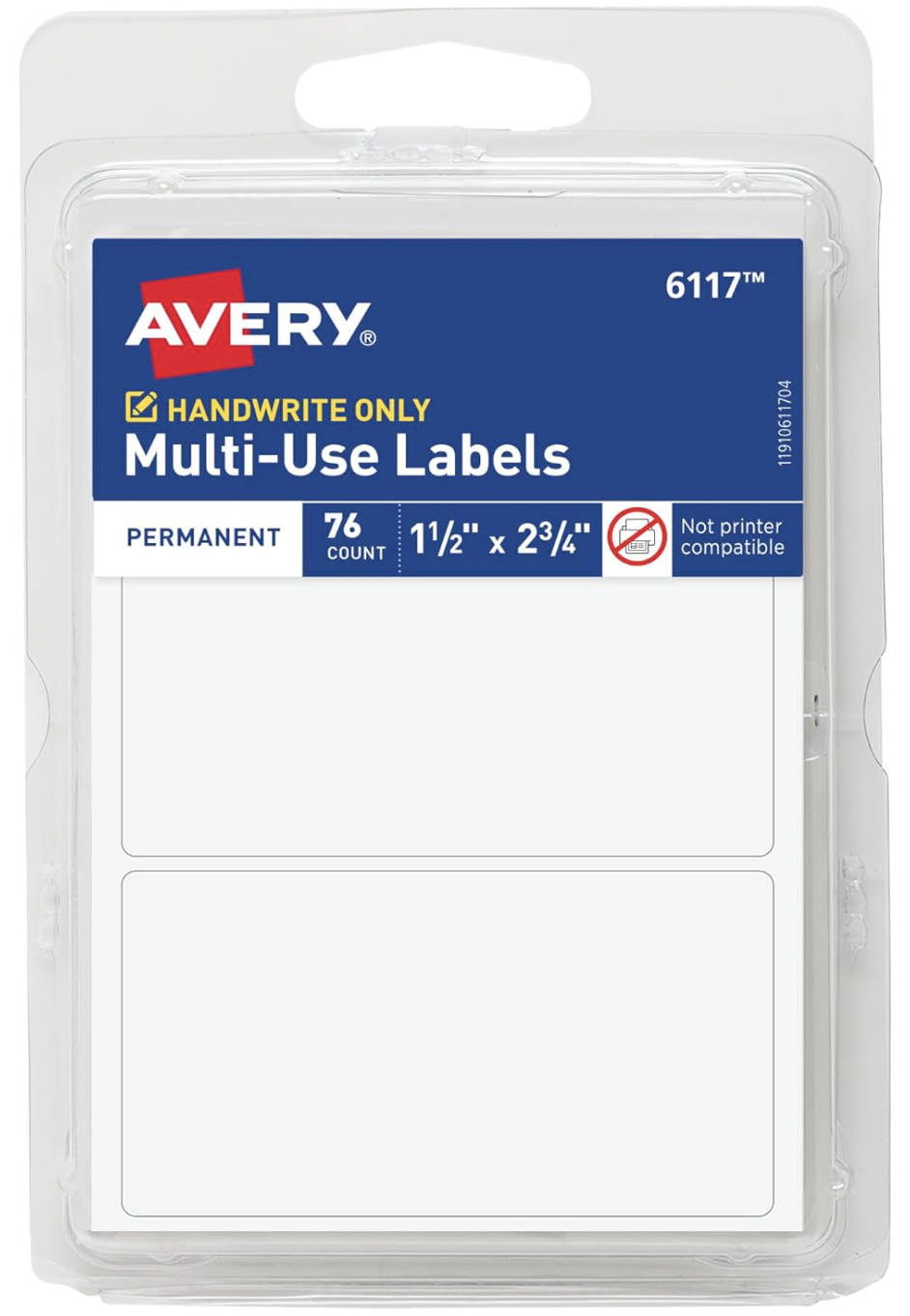
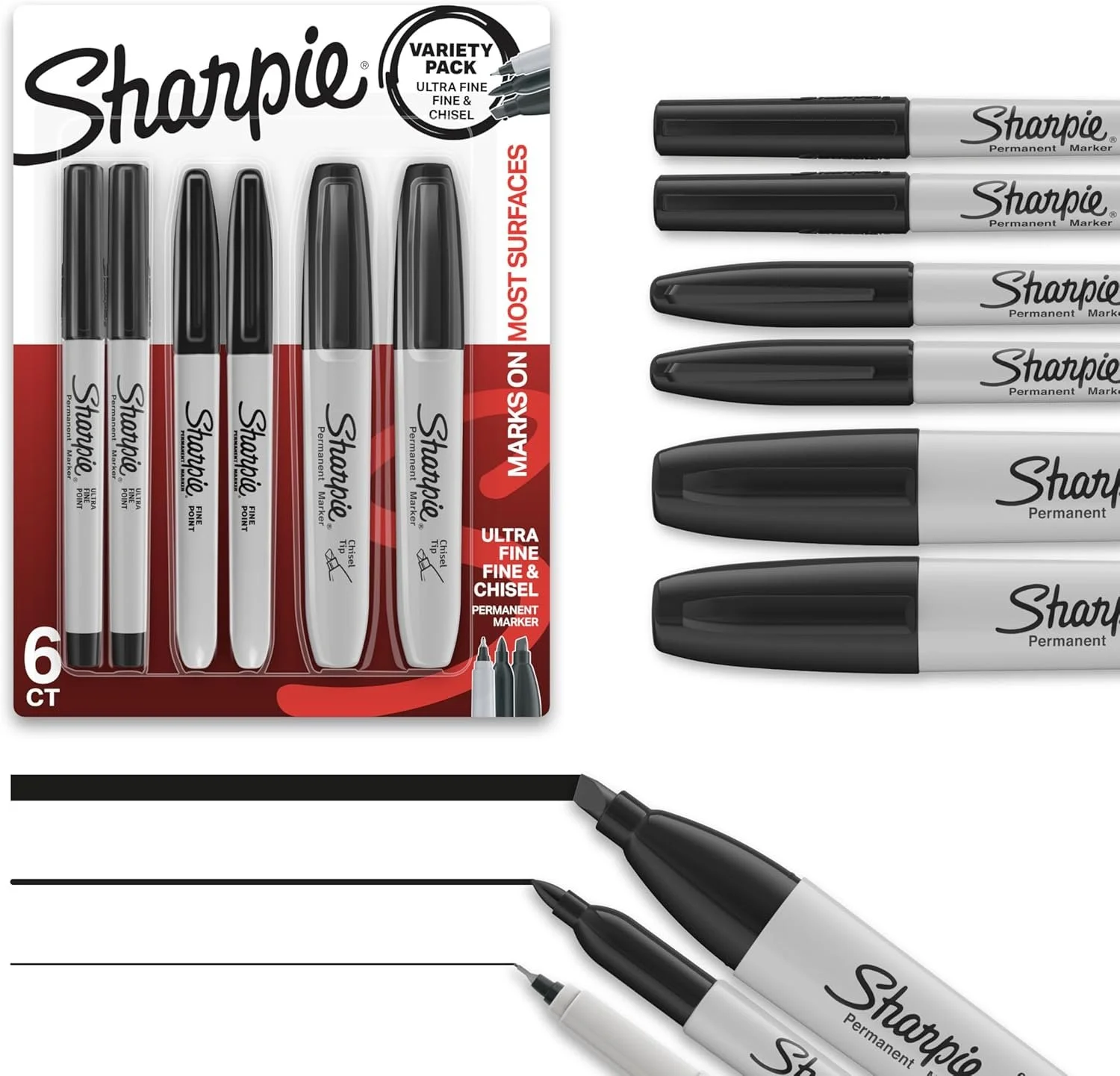
Labels and labeling tools
For bins, bags, keepsakes, donation boxes, and anything that may need to survive a move or seasonal reset.